

A-Frame and Gin Pole Trackline with Steep Angle Litter Raise: An Overview of Dual AHD
The success of any steep-angle litter raise operation lies in the foundation of vision, training, and rehearsing. These elements must work together cohesively to create a system that is efficient, safe, and capable of addressing the complexities of real-world rescue scenarios.
Vision provides the foresight needed to understand the challenges of a rescue operation. Training builds the knowledge and technical skills required to execute the plan, while rehearsing ensures those skills are second nature when the time comes. Without rehearsing—repeating the processes until they are instinctive—even the best-laid plans can falter under pressure.
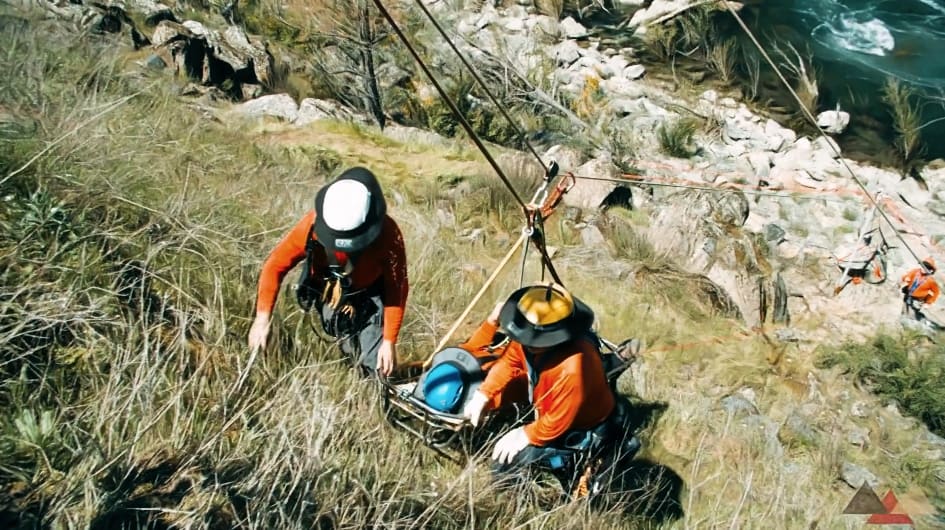
In this case study, the scene is set with a non-ambulatory patient requiring an urgent evacuation from a steep-angle location. The team arrives prepared with equipment and a clear understanding of the situation. However, the question remains: has the team adequately rehearsed for this specific setup? Success is not just about having the right gear but knowing how to apply it effectively and within the required time frame.

System Overview
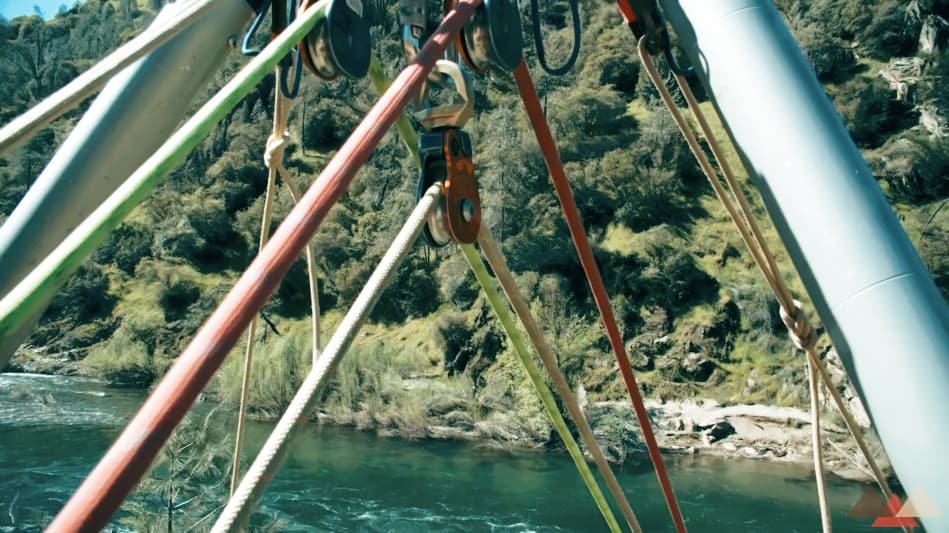
The operation utilizes a dual Artificial High Directional (AHD) setup involving an A-frame and a gin pole. These elements elevate the litter, allowing for smoother movement over steep terrain while reducing drag and friction. The system integrates a robust trackline design with carefully calculated angles and tension to handle the load efficiently. Each component, from anchors to mechanical advantage devices, contributes to the seamless execution of the operation.
Anchors play a critical role, not just in stabilizing the system but also in ensuring redundancy and load distribution. Using tools like passive pro anchors, webbing, and solid placements in stable terrain adds confidence to the setup. Meanwhile, the mechanical advantage system, coupled with progress capture devices, enables precise control over raising and lowering the litter.
The artificial high directionals are placed strategically, with guying patterns reinforcing their stability. The angles of these AHDs are critical to minimizing forces on the system while maximizing efficiency. Proper preparation and a clear understanding of these dynamics ensure that the system performs reliably under the demands of the rescue.
The Importance of Preparation
This scenario prompts critical questions for every team:
- Have you trained and rehearsed for a similar situation?
- Can you confidently deploy a dual AHD system under pressure?
- Does your equipment setup align with the specific requirements of this terrain and rescue type?
Preparation goes beyond assembling the system. It requires thoughtful consideration of the patient’s condition, environmental factors, and team capabilities. Effective rigging isn’t just about solving the problem at hand; it’s about anticipating potential challenges and addressing them proactively.





Conclusion
This operation highlights the importance of vision, training, and rehearsing in the context of technical rescue. The ability to adapt and execute a complex system like the A-frame and gin pole trackline depends on a solid foundation of preparation and practice.
For more insights and in-depth training resources, visit these essential Rigging Lab Academy links:
Peace on your Days
Lance


Comments are closed.