anchor systems

technical rope rescue systems

A Comprehensive Curriculum for New Technicians

The Technical Rope Rescue Foundation A Comprehensive Curriculum for New Technicians Technical rope rescue is not defined by the equipment used or by the completion of a single operation. It is defined by the technician’s ability to understand how forces move through a system, how environments shape operational decisions, and how patient outcomes depend on

A Comprehensive Curriculum for New Technicians Read More »

mastering rope rescue anchor and the rigging

Geometric and Mechanical Force Vectors in Complex Rescue Rigging Systems

Geometric and Mechanical Force Vectors in Complex Rescue Rigging Systems Executive Summary In technical rope rescue, anchor systems function as engineered structures rather than ad-hoc attachment points. Their performance is governed by geometric force vectors, mechanical leverage, material capacity, and environmental degradation. This report establishes a disciplined engineering framework for evaluating anchor integrity, analyzing force

Geometric and Mechanical Force Vectors in Complex Rescue Rigging Systems Read More »

Mitigation of System Overpowering and Anchor Failure in Raising Operations

Mitigation of System Overpowering and Anchor Failure in Raising Operations 1. Purpose and Strategic Objectives In technical rescue, the transition from a static load to a dynamic raise represents a critical escalation of risk to both system integrity and personnel safety. This operation must be evaluated through the Conservation of Energy. While mechanical advantage (MA)

Mitigation of System Overpowering and Anchor Failure in Raising Operations Read More »

bombproof focused anchor system short

Anchor Systems and Rigging Principles for Modern Rescue

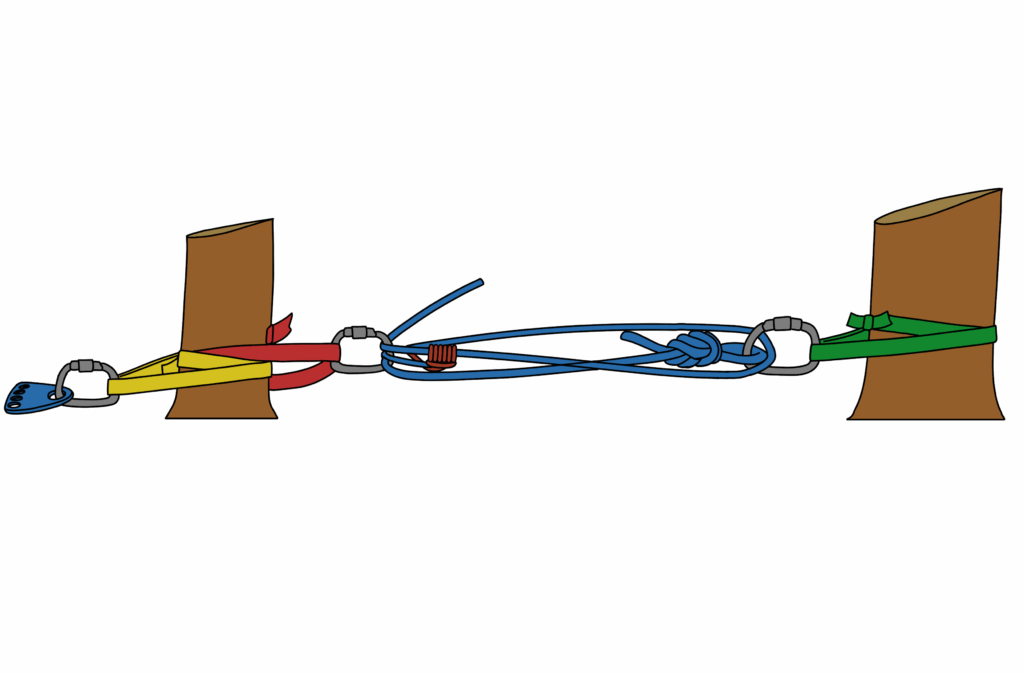
Anchor systems are the backbone of rope rescue. Every lift, lower, redirect, tension system, or directional frame is supported—literally—by the quality of the anchors that carry the load. The most skilled team and the most capable hardware cannot compensate for anchors that are poorly selected, misaligned with the load, or misunderstood. When anchors are engineered

Anchor Systems and Rigging Principles for Modern Rescue Read More »

Balancing Online and Hands-On Training -Knots for Force Multiplication in Rope Rescue - Steep Highline Calculations and Rigging Techniques

High Tension Highline Rigging Mastery for Technical Rope Rescue

The ability to span a canyon, river, industrial void, or structural gap is one of the most demanding skills in advanced rope rescue. While offsets, tracklines, and guided systems are essential tools, the true test of technician-level capability is the high-tension highline. Unlike everyday rigging, high-tension systems do not forgive misunderstandings in geometry or guesswork

High Tension Highline Rigging Mastery for Technical Rope Rescue Read More »
cross-haul rope access

Cross Haul Techniques for Rescue and Equipment Movement

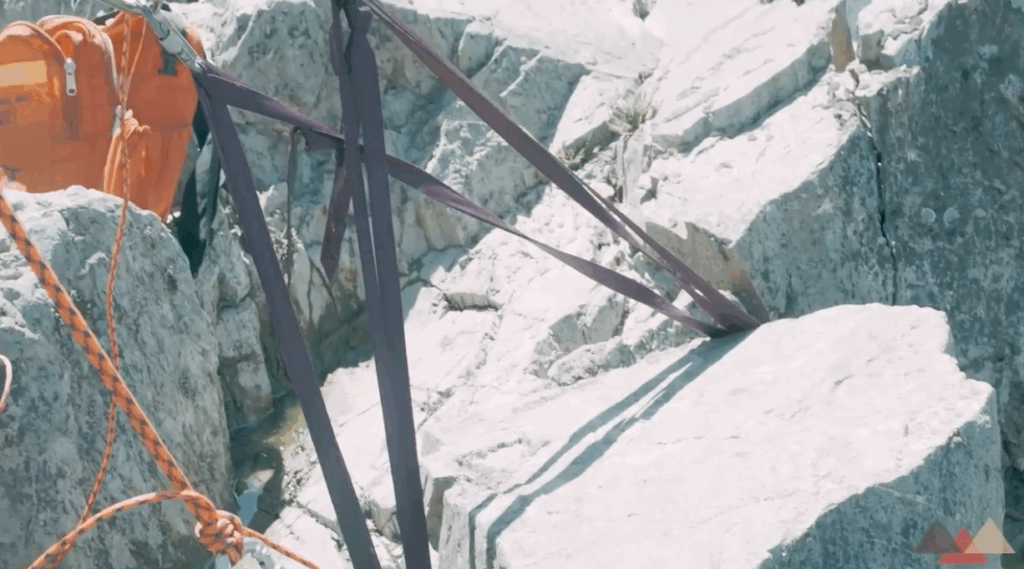
Cross hauling is a controlled horizontal movement technique used to transport loads—such as a patient litter, heavy gear, or suspended equipment—between two points using independent hauling and lowering systems. The method relies on coordination between two rescuers or teams operating from opposite anchors, each managing their side’s tension to maintain balance and stability. When executed

Cross Haul Techniques for Rescue and Equipment Movement Read More »

Anchors in Rescue and Life - backup anchors

Understanding the Purpose and Application of Backed-Up Anchor Systems

Backed-up anchor systems add redundancy and resilience to rope rescue and rigging operations. They serve as a safeguard against the failure of a primary anchor, which could otherwise cause catastrophic system collapse. By incorporating backups, teams create an additional layer of safety that reduces risk and improves overall reliability. The practice reflects a core principle

Understanding the Purpose and Application of Backed-Up Anchor Systems Read More »

transitioning to two-tensioned rescue systems

TTRS Anchor Systems with Artificial High Directionals for Two Person Loads

Technical rope rescue demands anchor systems that are strong, efficient, and designed for redundancy. Building TTRS anchor systems with Artificial High Directionals (AHDs) is one of the most effective ways to achieve these goals, especially when managing a two-person load such as a patient and attendant in a litter. By combining the principles of sound

TTRS Anchor Systems with Artificial High Directionals for Two Person Loads Read More »

back-tie Anchors and Anchor Systems

Anchors and Anchor Systems are The Foundation of Every Safe Rig

What is the single most critical component of any rescue or rigging system? The answer is simple: the anchor. It is the silent hero, the unyielding foundation that bears the weight of every operation. Yet, a lack of understanding or a single mistake in its setup can turn a meticulously planned rescue into a catastrophic

Anchors and Anchor Systems are The Foundation of Every Safe Rig Read More »

climber fall rescue - 5 First Principles of Rescue Rigging

Climber Rescue Team Using Twin Tension Rope Systems

Climber Rescue Team Using Twin Tension Rope Systems A climber begins their ascent. Movements are steady and deliberate. Each step shows control. But even skilled climbers can fall. And when they do, preparation makes the difference and it is here we see a Climber Rescue Team Using Twin Tension Rope Systems. The Fall: Fast Response

Climber Rescue Team Using Twin Tension Rope Systems Read More »

anchoring and rope protection

Anchoring and Rope Protection Techniques

How to Protect Rope and Anchor Systems Across Any Terrain In technical rope rescue, two elements demand constant attention: anchor integrity and rope protection. Whether navigating over sharp edges, sloped surfaces, or temporary structure points, rescuers must ensure that load paths remain secure and friction is minimized. So Anchoring and Rope Protection Techniques for Rescue

Anchoring and Rope Protection Techniques Read More »

Two Tension Offset Systems for Complex Rope Rescue

Two Tension Offset Systems for Complex Rope Rescue

Two Tension Offset Systems in Rope Rescue Keyphrase: two tension offsetSlug: two-tension-offset-systemsMeta Description: Learn how two tension offset systems improve rope rescue operations across complex terrain. Discover their function, advantages, and setup. What Is a Two Tension Offset? A two tension offset system is a rescue configuration that allows horizontal or diagonal movement of a

Two Tension Offset Systems for Complex Rope Rescue Read More »

deploying the rappel line

Deploying a Rappel Line

Rappelling is more than just a way down—it’s a vital access and rescue technique that demands precision, planning, and practiced control. In rope rescue, deploying a rappel line isn’t about improvisation. It’s about deliberately building a path through vertical terrain with systems that protect the rescuer and ensure smooth operations. This guide breaks down the

Deploying a Rappel Line Read More »

Building Smarter Rope Rescue Systems

Building Smarter Rope Rescue Systems

In Building Smarter Rope Rescue Systems, operational excellence isn’t about having the newest gear or the biggest toolbox—it’s about knowing what you have, understanding how to use it, and continuously evolving the way you train and collaborate. Whether you’re part of a fire department, a mountain rescue team, or an industrial safety unit, the success

Building Smarter Rope Rescue Systems Read More »

Anchors Define the System in Vertical Rescue

In rope rescue, particularly in vertical environments, the system doesn’t start with a rope—it starts with the anchor. Anchoring systems carry more than just load; they define access pathways, movement potential, and, most importantly, your margin for error. Every descent, raise, or track line depends entirely on what you’ve built at the base: your foundation.

Anchors Define the System in Vertical Rescue Read More »

Challenges in Span Anchor Systems - Understanding Hidden Forces in Rope Access Rigging

Understanding Hidden Forces in Rope Access Rigging

(Not) Understanding Hidden Forces in Rope Access Rigging Is More Dangerous Than You Think In the world of rope access, what you don’t see can hurt you. Whether you’re managing a vertical access route, building an overhead tension system, or operating within an industrial tower rescue, understanding hidden forces in rope access rigging isn’t just

Understanding Hidden Forces in Rope Access Rigging Read More »

No Room for Error in Wilderness Rope Rescue and Search

Why Competence Matters in Wilderness Rope Rescue and Search

Why Competence Matters in Wilderness Rope Rescue and Search Wilderness Search and Rescue (WSAR) is not just an extension of technical rope rescue—it is an entirely different animal. Rugged terrain, unpredictable conditions, long-duration deployments, and limited resources combine to create some of the most unforgiving operational environments. And in these settings, there’s no room for

Why Competence Matters in Wilderness Rope Rescue and Search Read More »