

Dual Tension Rope Systems: Advancing Rope Rescue Safety
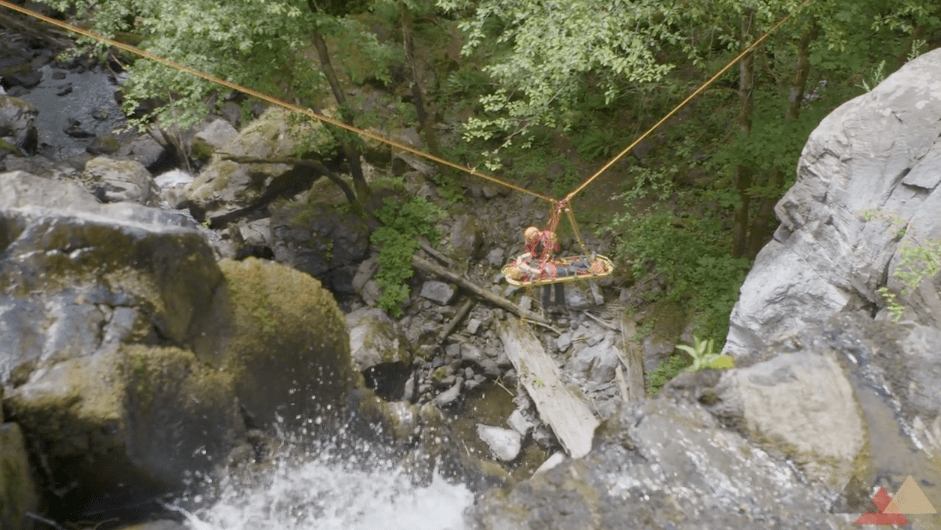
Dual Tension Rope Systems (TTRS) have emerged as the preferred choice in modern rope rescue operations. While not entirely new, the system represents a significant evolution from traditional Dedicated Main Dedicated Belay (DMDB) techniques. This shift isn’t just about systems and tools—it’s about risk management, efficiency, and safety.
After extensive testing and operational analysis, TTRS offers solutions to the challenges that teams face in high-pressure environments. Let’s break down the key advancements and why they matter for rescue professionals.

Why the Shift to Dual Tension Rope Systems?
Modern rope rescue requires practitioners to balance safety, precision, and adaptability. TTRS was developed to address challenges stemming from the four primary factors that influence success:
- Human Factors: Communication, situational awareness, and operator execution.
- Environmental Factors: Terrain, edge transitions, and weather.
- Materials Factors: Equipment performance, limitations, and standards.
- Method Factors: System techniques and reliability under stress.
Key Advancements in Dual Tension Rope Systems
1. Force-Limiting Systems
Traditional 10:1 Static System Safety Factors (SSSF) had shortcomings, particularly under dynamic loads. Instead, Force Limiting Principles control the forces experienced by systems and anchors to ensure safety.
Key criteria for Force Limiting Systems:
- Minimum slip force = 6 kN
- Maximum slip force = 12 kN
This range ensures devices can tolerate worst-case dynamic events while maintaining control and safety margins.
2. Dual Capability Defined
A Dual Capability TTRS ensures both rope systems function as:
- Main Lines: Capable of holding the full load (1-4 kN).
- Backups: Ready to handle sudden load transfers without friction changes or system failure.
For a system to qualify as Dual Capability:
- Backups must catch a 1m drop of a 200 kg mass, limit forces to ≤12 kN, and stop within 1 meter.
- The system must retain at least 80% rope strength after testing.
Rope rescue systems that passed these rigorous standards combine reliable Descent Control Devices (DCDs) and effective backup techniques to ensure safety under load.
3. Rope Tailing to Mitigate Human Factors
Human error remains a dominant risk in rescue systems. Rope tailing—manually backing up the system during load lowering—adds a critical layer of safety when self-braking devices are overridden.
Drop tests demonstrated:
- Minimum gripping strength for rope tailing is 0.1-0.2 kN.
- Techniques that combine proper device usage with rope tailing provide reliable redundancy against operator errors.
This approach safeguards against failures, particularly when systems rely on manual overrides.
4. Controlled Edge Transitions
Edge transitions are a common point of failure in rope rescue. Dual Tension Rope Systems incorporate the following:
- Edge Transition Briefings: Teams agree on commands, plans, and speed expectations.
- Dry Runs: Practice edge transitions before going operational to refine communication and execution.
With both ropes under tension during transitions, control and safety are significantly improved.
Summary of TTRS Requirements
For a system to meet Dual Tension Rope System standards, it must:
- Force Limit: Cap forces between 6-12 kN.
- System Strength: Have a minimum breaking strength of 20+ kN.
- Backup Functionality:
- Catch a 1m drop (200 kg load).
- Arrest force ≤12 kN with stopping distance ≤1 meter.
- Rope Tailing: Ensure effective manual backups at a gripping force of 0.1 kN.
- Residual Rope Strength: Maintain at least 80% rope strength after drop tests.
Force-Limiting Principles: Simplifying Safety
Force Limiting Systems ensure systems are robust yet adaptable. By capping maximum forces, the system avoids failure due to sudden load changes.
- Minimum slip force: Prevents uncontrolled slippage.
- Maximum slip force: Limits forces to protect human operators and anchors.
Combined with reliable material quality standards and reproducible testing methods, this approach simplifies decision-making for rescue professionals.
Managing Human Factors Through Communication
Human error remains the most unpredictable risk in rope rescue. To address this, TTRS incorporates:
- Edge Transition Briefings: Operators discuss and demonstrate the plan before execution.
- Dry Runs: Teams practice movements under controlled conditions to identify and correct errors.
These changes elevate situational awareness, communication, and team coordination—resulting in smoother, safer operations.
Why TTRS Matters for Rope Rescue
The adoption of Dual Tension Rope Systems marks a turning point for technical rope rescue. By combining Force Limiting Systems, reliable devices, and refined communication protocols, TTRS delivers:
- Greater Safety: Reduced forces and improved redundancy.
- Higher Efficiency: Tensioned systems maintain control during transitions.
- Simplified Standards: Clear criteria ensure equipment meets operational demands.
Final Thoughts
Modern rope rescue demands systems that balance safety, efficiency, and adaptability. Dual Tension Rope Systems offer a proven, evidence-based solution for overcoming the challenges of traditional techniques. By focusing on force-limiting principles, reliable backups, and human-factor mitigation, TTRS ensures rescue teams can operate with confidence in any environment.
To learn more about building safe, efficient rope rescue systems, Click Here.
Peace on your days.
Lance


Comments are closed.