horizontal rescue

movement highline systems

Highline Operations Roles, Movement, and System Control

A highline system does not succeed because it is built correctly—it succeeds because it is operated correctly. Most system failures occur during movement, not during setup. The structure may be sound, but without coordinated operation, control is lost, and forces become unpredictable. Highline operations are defined by three elements: Clear roles Controlled movement Coordinated input […]

Highline Operations Roles, Movement, and System Control Read More »

highline reeving behavior

Highline Force Behavior

Highline systems do not fail because of components—they fail because of misunderstood force behavior. Every decision made during setup affects how force moves through the system. Tension, sag, and load distribution are not separate ideas—they are the same system viewed from different angles. If you understand how force behaves, you can predict system performance. If

Highline Force Behavior Read More »

highline configurations

Highline Configurations in Rope Rescue When and How to Use Each System

Highline systems are not built from a single template. The configuration selected must match the terrain, the objective, and the level of control required. The mistake is not choosing the wrong gear—it is choosing the wrong system structure. Each configuration changes how force moves, how the load behaves, and how the team must operate. Understanding

Highline Configurations in Rope Rescue When and How to Use Each System Read More »

highline geometry

Highline System Components Explained for Rope Rescue Operations

A highline system is only as strong and predictable as the components that build it. While the overall system moves a load across a span, each individual element has a defined role that must remain clear and uncompromised. Understanding these components is not about memorizing parts—it is about understanding how each element contributes to control,

Highline System Components Explained for Rope Rescue Operations Read More »

cross-haul rope access

Cross Haul Techniques for Rescue and Equipment Movement

Cross hauling is a controlled horizontal movement technique used to transport loads—such as a patient litter, heavy gear, or suspended equipment—between two points using independent hauling and lowering systems. The method relies on coordination between two rescuers or teams operating from opposite anchors, each managing their side’s tension to maintain balance and stability. When executed

Cross Haul Techniques for Rescue and Equipment Movement Read More »

highline rescue system reeve pulley

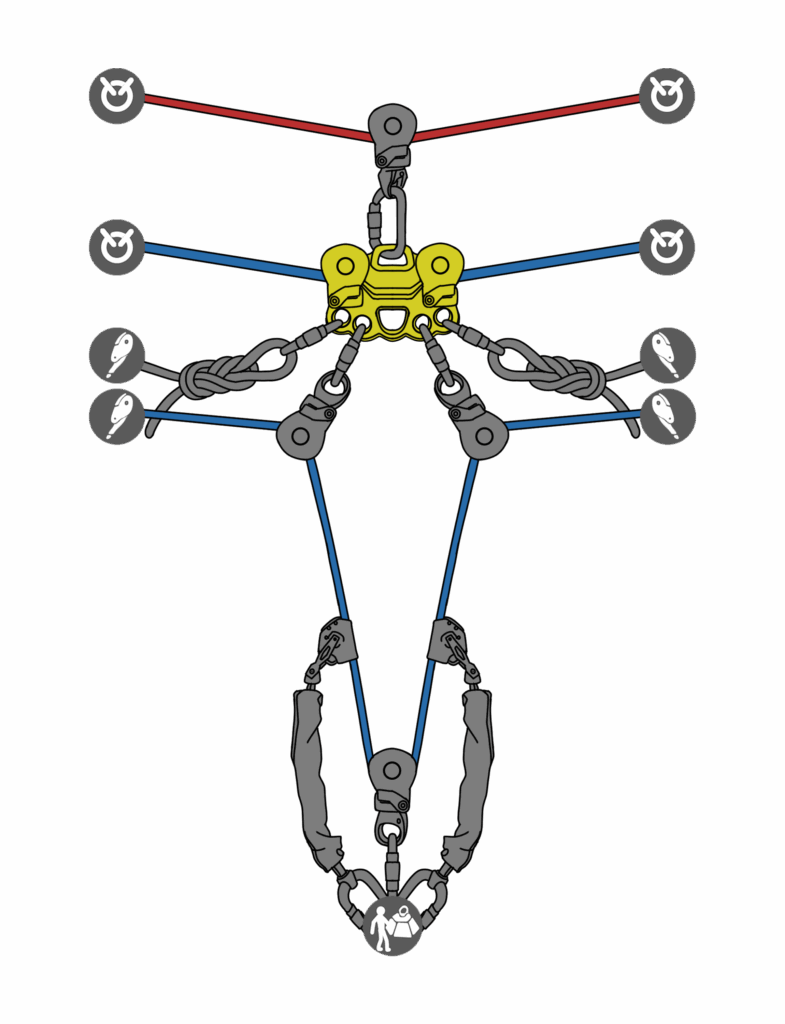
Building Redundancy into Highline Rescue Systems with the REEVE Pulley Assembly

Highline Rescue: A Multi-Directional Access System with Built-In Redundancy Rescue environments don’t always offer easy access. Whether it’s a ravine, a collapsed structure, or a remote vertical shaft, reaching the subject often requires a blend of horizontal movement and vertical descent. The Highline Assembly—centered around the REEVE and SPIN pulleys—is designed to handle exactly these

Building Redundancy into Highline Rescue Systems with the REEVE Pulley Assembly Read More »