
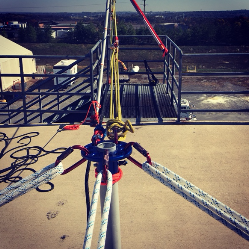
The Rigging Effect: Keeping Ropes Off the Ground with a Rigging Workstation
Efficient and effective rigging begins with organization, and one of the simplest yet most impactful techniques is keeping ropes off the ground. This small adjustment can enhance safety, extend the lifespan of gear, and streamline operations. Central to achieving this goal is the rigging workstation, a dedicated setup designed to maintain order and ensure smooth operations.
Why Keep Ropes Off the Ground?
In rope rescue and rigging environments, keeping ropes off the ground is more than just a matter of aesthetics—it’s a critical safety and efficiency measure. Here’s why:
- Prevention of Contamination: Dirt, sand, and other debris can embed into ropes, leading to premature wear and tear. Keeping ropes off the ground helps preserve their integrity.
- Improved Safety: Tangled ropes on the ground increase the risk of tripping hazards, making a tidy setup essential for team safety.
- Operational Efficiency: A clutter-free workspace reduces confusion and allows for quicker rope identification and deployment.
The Role of a Rigging Workstation
A rigging workstation serves as the central hub for organizing and managing equipment during operations. Whether you’re on a rescue mission, a training exercise, or a recreational rigging scenario, a well-organized rigging workstation ensures that all team members have quick and efficient access to the necessary gear.
Key Features of an Effective Rigging Workstation
- Elevated Platform: Keeps ropes, harnesses, and pulleys above ground level.
- Equipment Organization: Allows for logical placement of carabiners, anchor straps, and other tools for easy retrieval.
- Multi-Use Functionality: Can double as an anchor point or even as a place to manage progress capture systems.
Best Practices for Using a Rigging Workstation
1. Anchor Integration
Incorporate the rigging workstation as part of the anchor system. By integrating anchor straps and carabiners directly into the workstation, teams can minimize clutter while maximizing functionality.
- Recommended Gear:
- CMC Anchor Strap: Provides secure and adjustable anchor points.
- Petzl AM’D Carabiner: High-strength carabiner ideal for critical connections.
2. Progress Capture Management
Use devices like the CMC MPD or Petzl ID to manage descent control and progress capture directly from the workstation. This reduces the number of moving parts in the operation and enhances safety.
3. Rope Storage and Deployment
Coil ropes properly and store them on the workstation. This keeps them off the ground, prevents tangling, and allows for efficient deployment when needed.

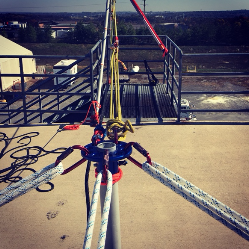

Advantages of a Rigging Workstation
- Enhanced Safety
- Keeps trip hazards to a minimum.
- Reduces wear on ropes caused by dirt and debris.
- Increased Durability of Equipment
- By minimizing exposure to abrasive surfaces, ropes and hardware last longer.
- Streamlined Operations
- Ensures that all tools are within reach, improving response times and operational efficiency.
- Versatility
- Adaptable to various scenarios, from confined space rescues to high-angle operations.
Key Gear for Building a Rigging Workstation
To create an effective rigging workstation, invest in high-quality equipment from trusted brands like CMC and Petzl:
- CMC RigTech Pack: A comprehensive solution for organizing and carrying essential rigging tools.
- Petzl Twin Pulley: High-efficiency pulley for mechanical advantage systems.
- CMC ProSwivel Pulley: Combines a swivel and a pulley to reduce rope twist and optimize rigging setups.
- Gear Bags: Durable bags for storing and transporting ropes, ensuring they remain protected and clean.
Practical Applications
Rigging workstations are especially beneficial in scenarios such as:
- Confined Space Rescues: Keeping ropes off the ground prevents contamination in dirty, hazardous environments.
- High-Angle Operations: A centralized workstation allows for seamless transitions between raising and lowering operations.
- Training Scenarios: Helps teams develop good habits by maintaining an organized and efficient rigging setup.
Conclusion
Implementing a rigging workstation is a simple yet transformative step for any rigging or rescue operation. By keeping ropes off the ground, teams can improve safety, protect gear, and enhance operational efficiency. With the right tools and practices, a rigging workstation becomes an indispensable part of any setup.
Peace on your Days
Lance


Comments are closed.