Anchors

3x1 anchor 3 point

3-Point Anchor Systems in Rope Rescue

Anchors Are the Foundation of Every System In rope rescue, every system beginsโ€”and ultimately dependsโ€”on the anchor. Whether you are lowering, raising, or managing a directional line, the integrity of the entire operation is tied to how well the anchor system is built. A failure at the anchor is not a component failureโ€”it is a […]

3-Point Anchor Systems in Rope Rescue Read More ยป

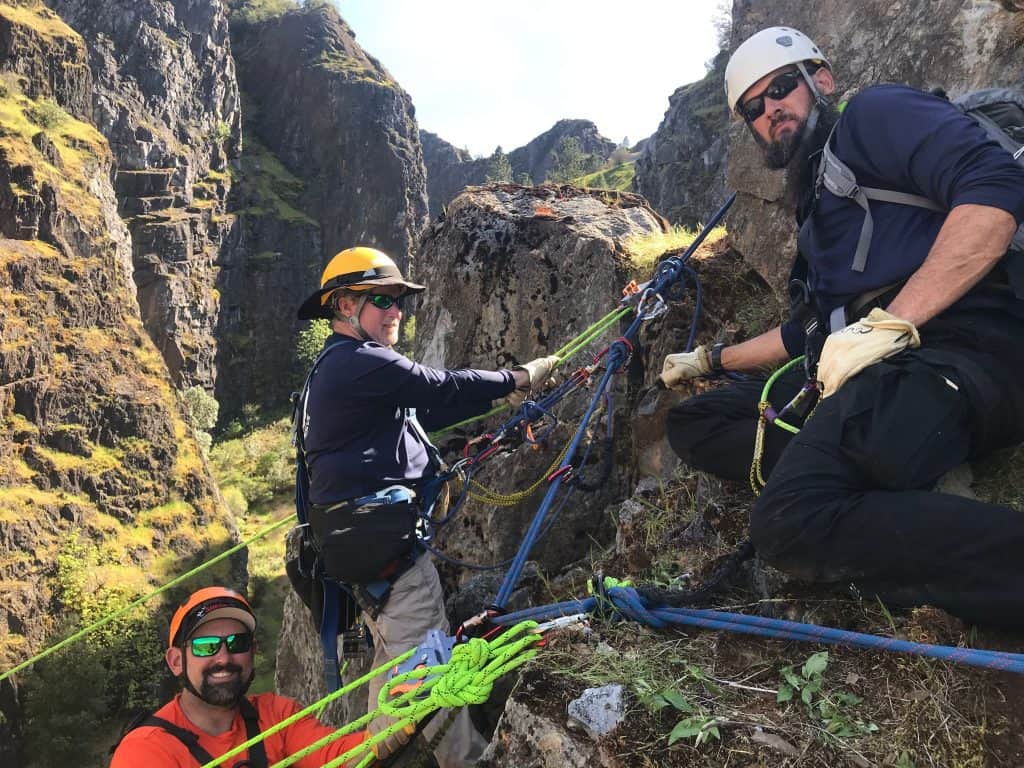
two-rope offset canyon rescue

Why Austrian Economics Belongs in Rope Rescue

Why Austrian Economics Belongs in Rope Rescue Wealth, Labor, Time, and Risk Allocation Technical rope rescue looks like engineering. We calculate force. We build anchors. We manage friction and redundancy. Physics sets the outer limits. If we violate those limits, the system fails. However, engineering alone does not explain how decisions unfold on scene. In

Why Austrian Economics Belongs in Rope Rescue Read More ยป

Two Tension Offset Systems for Complex Rope Rescue

Austrian Economics and Technical Rope Rescue

Austrian Economics and Technical Rope Rescue Scarcity, Trade-Offs, and Rigging Under Pressure Technical rope rescue looks like engineering. We study force vectors, anchor strength, friction, and redundancy. We calculate loads. We manage geometry. Physics defines the hard limits. If we exceed those limits, the system fails. However, physics does not decide what we build. Two

Austrian Economics and Technical Rope Rescue Read More ยป

mastering rope rescue anchor and the rigging

Geometric and Mechanical Force Vectors in Complex Rescue Rigging Systems

Geometric and Mechanical Force Vectors in Complex Rescue Rigging Systems Executive Summary In technical rope rescue, anchor systems function as engineered structures rather than ad-hoc attachment points. Their performance is governed by geometric force vectors, mechanical leverage, material capacity, and environmental degradation. This report establishes a disciplined engineering framework for evaluating anchor integrity, analyzing force

Geometric and Mechanical Force Vectors in Complex Rescue Rigging Systems Read More ยป

Mitigation of System Overpowering and Anchor Failure in Raising Operations

Mitigation of System Overpowering and Anchor Failure in Raising Operations 1. Purpose and Strategic Objectives In technical rescue, the transition from a static load to a dynamic raise represents a critical escalation of risk to both system integrity and personnel safety. This operation must be evaluated through the Conservation of Energy. While mechanical advantage (MA)

Mitigation of System Overpowering and Anchor Failure in Raising Operations Read More ยป

6 Counter-Intuitive Principles for Understanding How Systems Really Behave

6 Counter-Intuitive Principles for Understanding How Systems Really Behave We often judge systems by how they look. At work, in engineering, or in our daily lives, we see designs that are symmetrical, robust, or built according to “how it’s always been done” and assume they are sound. This reliance on appearance and tradition feels intuitive,

6 Counter-Intuitive Principles for Understanding How Systems Really Behave Read More ยป

Field Reference Guide Rescue Knots and Anchor Systems

This document serves as a field reference guide for trained rescue professionals. Its purpose is to consolidate the critical principles of anchor selection, knot application, and load dynamics to ensure operational safety and efficiency in technical rescue scenarios. The information contained herein is derived from established rescue standards and practices and is intended to supplement,

Field Reference Guide Rescue Knots and Anchor Systems Read More ยป

Horizontal Rope Rescue Systems and Highline Movement Techniques

Physics of Horizontal Rope Rescue Systems

Physics of Horizontal Rope Rescue Systems Why sideways movement is the real test of a riggerโ€™s mind. Vertical rope work is the entry exam. Gravity defines the path, the system behaves predictably, and most mistakes are recoverable. But move a rescue load sidewaysโ€”even fifty feet across a gap or diagonally off a towerโ€”and everything changes.

Physics of Horizontal Rope Rescue Systems Read More ยป

bombproof focused anchor system short

Anchor Systems and Rigging Principles for Modern Rescue

Anchor systems are the backbone of rope rescue. Every lift, lower, redirect, tension system, or directional frame is supportedโ€”literallyโ€”by the quality of the anchors that carry the load. The most skilled team and the most capable hardware cannot compensate for anchors that are poorly selected, misaligned with the load, or misunderstood. When anchors are engineered

Anchor Systems and Rigging Principles for Modern Rescue Read More ยป

Balancing Online and Hands-On Training -Knots for Force Multiplication in Rope Rescue - Steep Highline Calculations and Rigging Techniques

High Tension Highline Rigging Mastery for Technical Rope Rescue

The ability to span a canyon, river, industrial void, or structural gap is one of the most demanding skills in advanced rope rescue. While offsets, tracklines, and guided systems are essential tools, the true test of technician-level capability is the high-tension highline. Unlike everyday rigging, high-tension systems do not forgive misunderstandings in geometry or guesswork

High Tension Highline Rigging Mastery for Technical Rope Rescue Read More ยป

Rope rescue training for veterans covers leadership, mechanical advantage, and advanced rigging skills and Hidden treasures in team leadership

Advanced Rigging Principles for Technical Rope Rescue

Modern rope rescue has outgrown the era of โ€œstrong gear plus strong backs.โ€ At the advanced level, operations are built on system engineering, controlled redundancy, and a clear understanding of how forces, geometry, and human factors interact in real time. The Technical Operational Rigging Study Guide you started with is more than an examโ€”it is

Advanced Rigging Principles for Technical Rope Rescue Read More ยป

confined space rescue

Precision and Protocol in Leadership for Confined Space Rescue Operations

In the discipline of technical rescue, the anchor system remains the defining constantโ€”the mechanical and moral foundation of every operation. As Steve Crandall asserts, โ€œWithout a solid anchor, properly rigged, the system is bound for failure.โ€In Confined Space Rescue (CSR), this principle takes on a leadership dimension. Decision-makers are forced to manage high-risk, low-frequency events

Precision and Protocol in Leadership for Confined Space Rescue Operations Read More ยป

Anchors in Rescue and Life - backup anchors

Understanding the Purpose and Application of Backed-Up Anchor Systems

Backed-up anchor systems add redundancy and resilience to rope rescue and rigging operations. They serve as a safeguard against the failure of a primary anchor, which could otherwise cause catastrophic system collapse. By incorporating backups, teams create an additional layer of safety that reduces risk and improves overall reliability. The practice reflects a core principle

Understanding the Purpose and Application of Backed-Up Anchor Systems Read More ยป

Two Tension Offset with Monopod and Side A-Frame

Two Tension Offset with Monopod and Side A-Frame

A two tension offset system allows rescuers to move loads laterally or diagonallyโ€”especially when vertical lowering is not an option. In this scenario, we use a monopod high directional on one side and a sideways A-frame on the other to shape and control the rope path. This approach is ideal for traversing terrain where edge

Two Tension Offset with Monopod and Side A-Frame Read More ยป

structural anchors

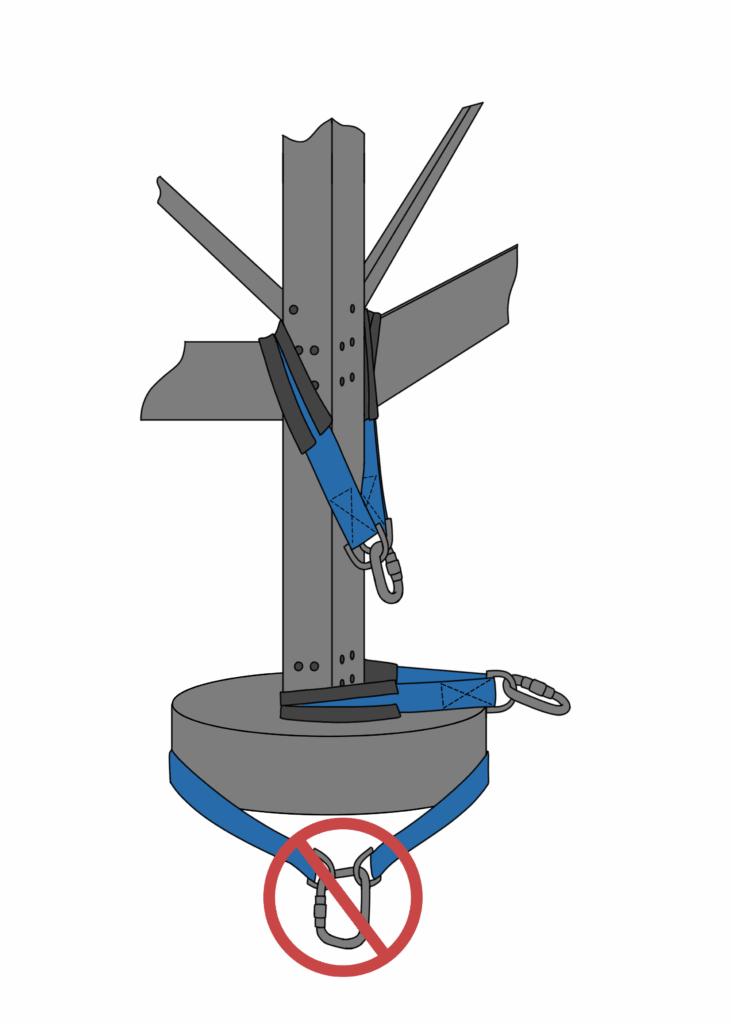
Using Structural Anchors in Rope Rescue

In wilderness rescues, trees and boulders often provide natural anchors. But in urban, industrial, or confined space environments, rescuers must rely on using structural anchors in rope rescueโ€”beams, columns, and engineered fixtures built into man-made environments. These anchors, when paired with pre-sewn anchor straps, create strong and efficient attachment points for rescue systems. Structural anchors

Using Structural Anchors in Rope Rescue Read More ยป

Directional Anchor

Understanding Directional Anchors in Rope Rescue

Anchors form the backbone of every rope rescue system, but they arenโ€™t always where you want them. Sometimes the strongest anchor sits away from the natural fall line, creating an awkward rope path or edge transition. In these cases, understandingย directional anchors in rope rescueย provides a safe way to redirect the rope into alignment with the

Understanding Directional Anchors in Rope Rescue Read More ยป