Anchors

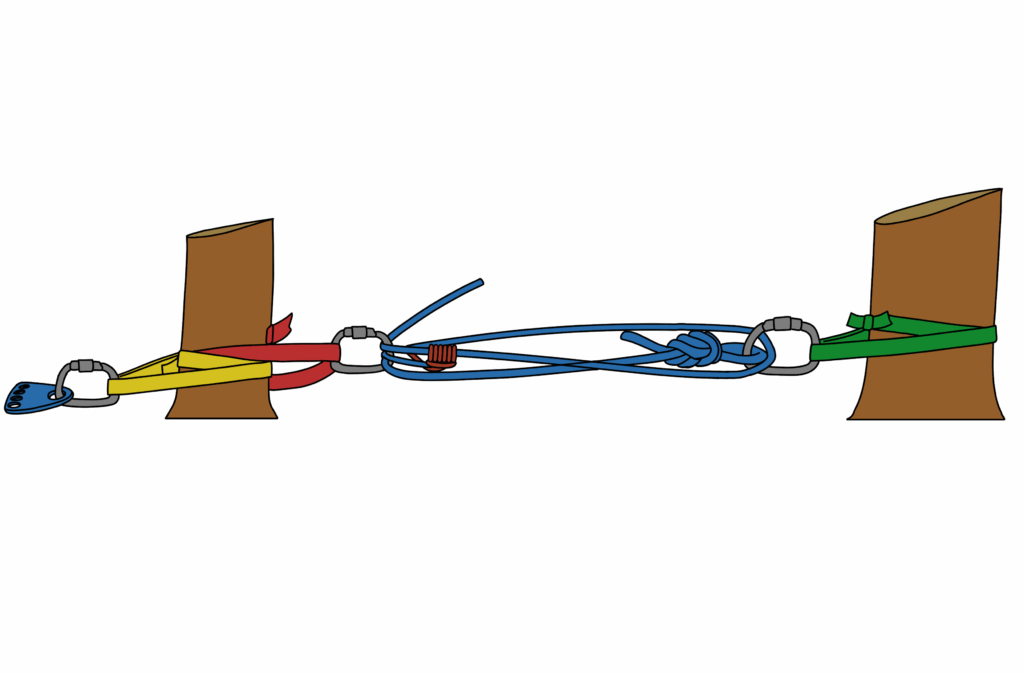
bombproof focused anchor system short

Bombproof Focused Anchor System

Every rope rescue begins and ends with anchors. Without a secure foundation, even the most advanced mechanical advantage systems or high-directional setups are compromised. When substantial natural anchors are absent at the fall line, rescuers must create reliable alternatives that provide stability, redundancy, and adaptability. One of the most versatile solutions is the Bombproof Focused […]

Bombproof Focused Anchor System Read More »

back-tie Anchors and Anchor Systems

Anchors and Anchor Systems are The Foundation of Every Safe Rig

What is the single most critical component of any rescue or rigging system? The answer is simple: the anchor. It is the silent hero, the unyielding foundation that bears the weight of every operation. Yet, a lack of understanding or a single mistake in its setup can turn a meticulously planned rescue into a catastrophic

Anchors and Anchor Systems are The Foundation of Every Safe Rig Read More »

highline anchors

Highline Systems Anchors Safety Operations and Tensioning

Highline systems are among the most advanced rope rescue tools. They allow teams to move patients or gear across terrain that would otherwise be impassable — spanning rivers, cliffs, gorges, collapsed structures, or even urban voids. When done correctly, highlines are efficient and controlled. When done poorly, they can overload anchors, increase risk, and endanger

Highline Systems Anchors Safety Operations and Tensioning Read More »

Rope Rescue Math and Aerial Ladder Torque Management

Rope Rescue Math and Aerial Ladder Torque Management

Rope Rescue Math and Aerial Ladder Torque Management In rope rescue, a high-directional such as an aerial ladder can be an invaluable elevated anchor—if it’s rigged correctly. The forces at play are not intuitive, and relying on firefighting ratings or guesswork can lead to dangerously overloaded systems.This guide explains the math behind high-directional loading, how

Rope Rescue Math and Aerial Ladder Torque Management Read More »

dual mirror arborist system

Dual and Mirrored Rope Systems in Arborist Work Techniques

Dual and Mirrored Rope Systems in Arborist Work Techniques In arborist work, safety and efficiency depend on the reliability of the systems used to position and secure the climber. Dual and mirrored rope systems have emerged as a preferred approach in both work positioning and aerial rescue, offering redundancy, balanced load sharing, and enhanced mobility

Dual and Mirrored Rope Systems in Arborist Work Techniques Read More »

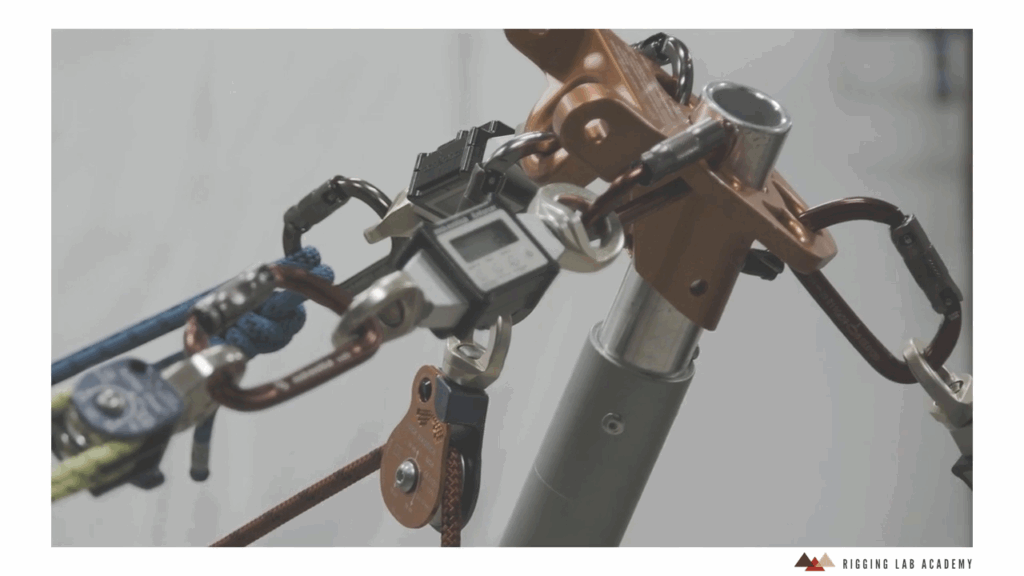
force angles in gin pole systems

Force Angle Verification and System Readiness in Gin Pole Rigging

Force Angle Verification and System Readiness in Gin Pole Rigging. Before committing any load—especially a human subject—to a directional or monopod system, the rig must pass a structural readiness check. This means more than simply tightening ropes or locking pins. It’s about confirming that every mechanical and geometric component is functioning within allowable thresholds. Failure

Force Angle Verification and System Readiness in Gin Pole Rigging Read More »

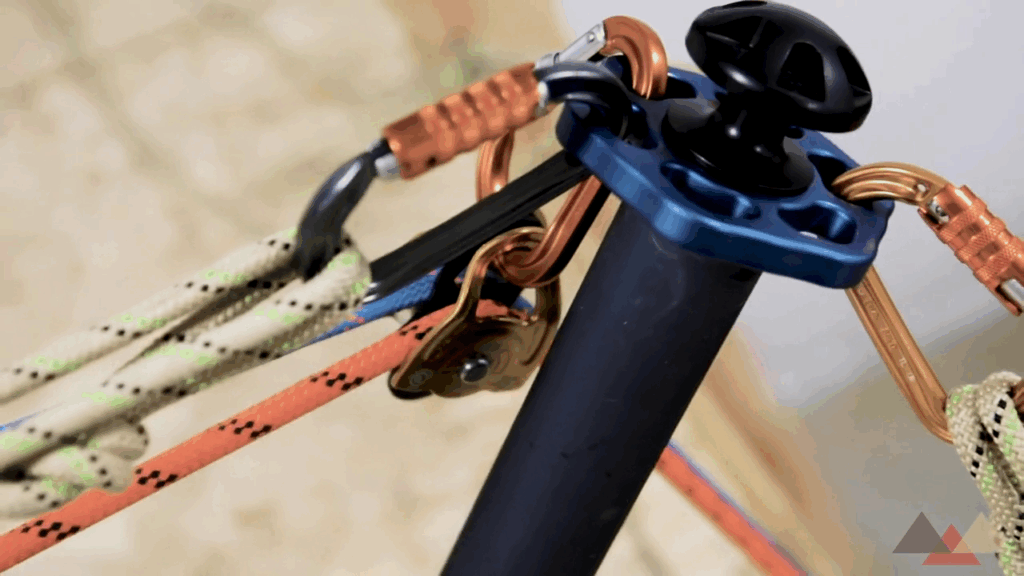
Directional Frame Setup and Guying Angles in Rescue Rigging

Directional Frame Setup and Guying Angles in Rescue Rigging

Directional Frame Setup and Guying Angles in Rescue Rigging When deploying directional frames in rope rescue, especially A-frame or gin pole setups, small adjustments in angles can make the difference between a reliable system and one on the edge of collapse. Proper guying—both front and back—is not just about holding the frame upright. It’s about

Directional Frame Setup and Guying Angles in Rescue Rigging Read More »

anchoring and rope protection

Anchoring and Rope Protection Techniques

How to Protect Rope and Anchor Systems Across Any Terrain In technical rope rescue, two elements demand constant attention: anchor integrity and rope protection. Whether navigating over sharp edges, sloped surfaces, or temporary structure points, rescuers must ensure that load paths remain secure and friction is minimized. So Anchoring and Rope Protection Techniques for Rescue

Anchoring and Rope Protection Techniques Read More »

high-level-rigging

Clarity Over Complexity in High-Level Rigging

Clarity Over Complexity in High-Level Rigging In complex rope rescue situations, more gear doesn’t always mean more safety. The High‑Level Rigging philosophy argues that clarity—not complexity—is what holds systems together under stress. By focusing on clear vector logic, role definition, and predictable responses, rescuers can build advanced rigs that don’t confuse—they communicate. 1. Observation: Complexity

Clarity Over Complexity in High-Level Rigging Read More »

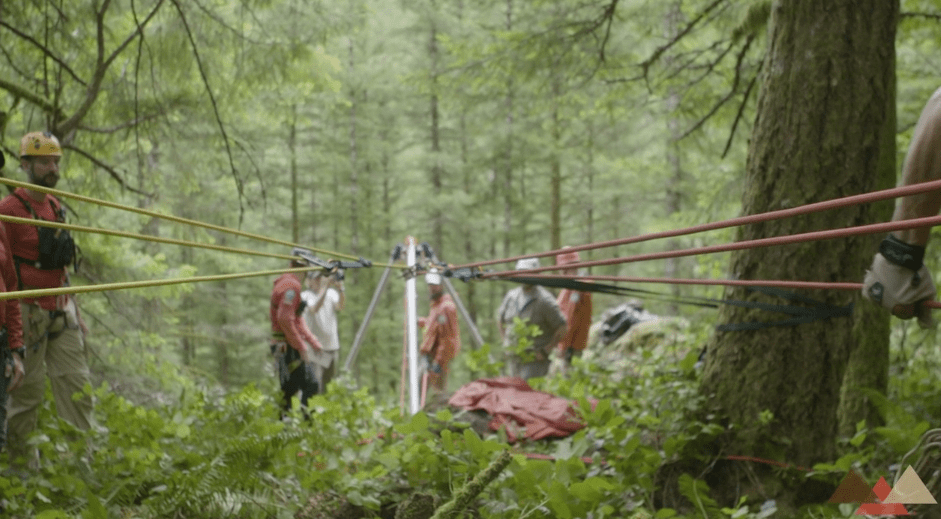
Anchors Define the System in Vertical Rescue

In rope rescue, particularly in vertical environments, the system doesn’t start with a rope—it starts with the anchor. Anchoring systems carry more than just load; they define access pathways, movement potential, and, most importantly, your margin for error. Every descent, raise, or track line depends entirely on what you’ve built at the base: your foundation.

Anchors Define the System in Vertical Rescue Read More »

Two-Tension Rope Systems- Shock Absorbers in Dual Main Rope Systems

Shock Absorbers in Dual Main Rope Systems

Shock Absorbers in Dual Main Rope Systems In the world of rope access, technical rescue, and industrial work-at-height, the adoption of dual main rope systems has become a gold standard for redundancy and safety. Yet, as systems become more robust, the nuances of energy management — particularly through the use of fall arrestor shock absorbers

Shock Absorbers in Dual Main Rope Systems Read More »

Twin Tensioned Highline Anchors with Removable Bolts

Twin Tensioned Highline Anchors with Removable Bolts

Twin Tensioned Highline Anchors with Removable Bolts In high-angle or canyon-based rescue environments, systems must perform reliably while minimizing their environmental footprint. This twin tensioned highline system was specifically built with that balance in mind. It uses removable bolt anchors (RBs) set into solid stone to create a symmetrical, load-sharing configuration that supports both operational

Twin Tensioned Highline Anchors with Removable Bolts Read More »

load sharing anchor 3x1 with clove hitches

Load Sharing Anchor 3×1 Equalette With Clove Hitches

Load Sharing Anchor 3×1 Equalette With Clove Hitches The Load Sharing Anchor 3×1 Equalette With Clove Hitches is a specialized anchor system used in climbing and rescue scenarios to distribute loads across multiple anchor points while maintaining adjustability and redundancy. Here’s a breakdown of its components, setup, and advantages: Structure and Components Equalette Design: Constructed from

Load Sharing Anchor 3×1 Equalette With Clove Hitches Read More »

Slack Anchor System: Independent Primary, Independent Secondary (P/S)

Slack Anchor System Independent Primary, Independent Secondary

A “Slack Anchor System” with Independent Primary, Independent Secondary (often abbreviated as “Independent P, Independent S”) refers to a rope rescue anchor setup designed for maximum redundancy and safety. In this system: Primary Anchor(s): The main anchor(s) bear the load of the rescue system. Secondary Anchor(s): A completely separate, independent anchor system is set up as a backup,

Slack Anchor System Independent Primary, Independent Secondary Read More »

load sharing anchor

Load Sharing Anchor Adjustable Anchor One Prusik and Butterfly

Load Sharing Anchor Adjustable Anchor using One Prusik and an Alpine Butterfly The Load Sharing Anchor Adjustable Anchor using One Prusik and an Alpine Butterfly is a clean and effective solution when you need fast rigging with minimal equipment. It provides controlled tension, midline strength, and flexibility for real-time adjustments—all without tearing down the system.

Load Sharing Anchor Adjustable Anchor One Prusik and Butterfly Read More »

load sharing anchor

Load Sharing Anchor Adjustable Non Working 3:1

Load Sharing Anchor Adjustable Non Working 3:1 In technical rescue environments, adaptability and control are everything—especially when dealing with multidirectional forces or unpredictable anchor terrain. This tutorial demonstrates how to construct a Load Sharing Anchor (LSA) using an adjustable, non-working 3:1 system, allowing the focal point to dynamically shift with the direction of pull. This

Load Sharing Anchor Adjustable Non Working 3:1 Read More »

Load Sharing Anchor_Two_Clove_Hitches_&_Figure_Eight

Load Sharing Anchor Using Clove Hitches and Figure Eight

Load Sharing Anchor Using Clove Hitches and Figure Eight Overview This Load Sharing Anchor setup combines two clove hitches tied directly to anchor points and a figure eight knot at the master point. The system offers fast adjustability, simple rigging, and centralized load control. It’s an ideal solution when your anchors are spaced unevenly or

Load Sharing Anchor Using Clove Hitches and Figure Eight Read More »