Blog

HAAS work rope system

Using the HAAS Modified Walking System for Ascending Through Limbs

A step-by-step guide to setting up and using the HAAS system for efficient vertical movement when climbing through obstructed environments.  So lets look into Using the HAAS Modified Walking System for Ascending Through Limbs Introduction Ascending ropes in tree care, rope access, or rescue environments often looks smooth and effortless when the rope hangs freely. […]

Using the HAAS Modified Walking System for Ascending Through Limbs Read More »

skate block highline

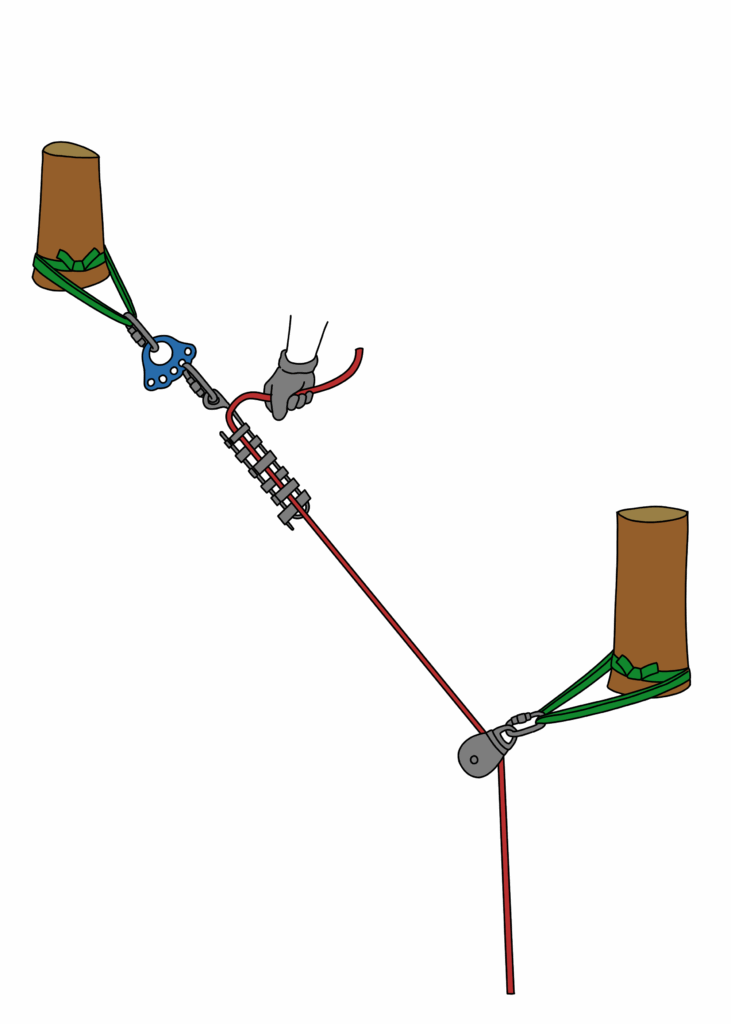
Skate Block Highline with Gin Pole Directional in Rope Rescue

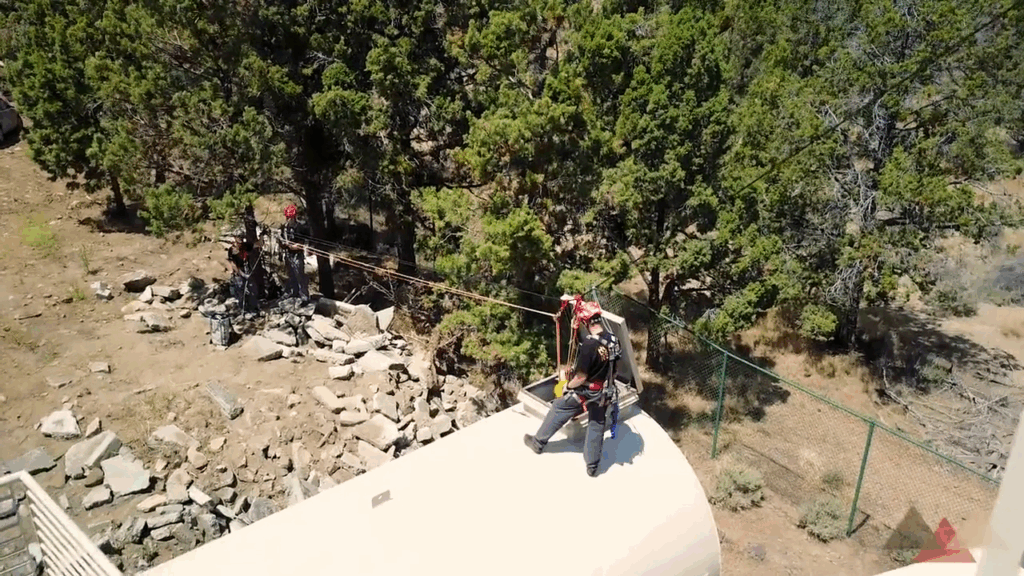
Skate Block Highline with Gin Pole Directional in Rope Rescue – How a highline configured as a skate block with a monopod directional improves efficiency, control, and safety in complex terrain. Highlines are a cornerstone of modern rope rescue, allowing teams to move loads across obstacles such as rivers, canyons, cliffs, or collapsed structures. Traditionally,

Skate Block Highline with Gin Pole Directional in Rope Rescue Read More »

structural anchors

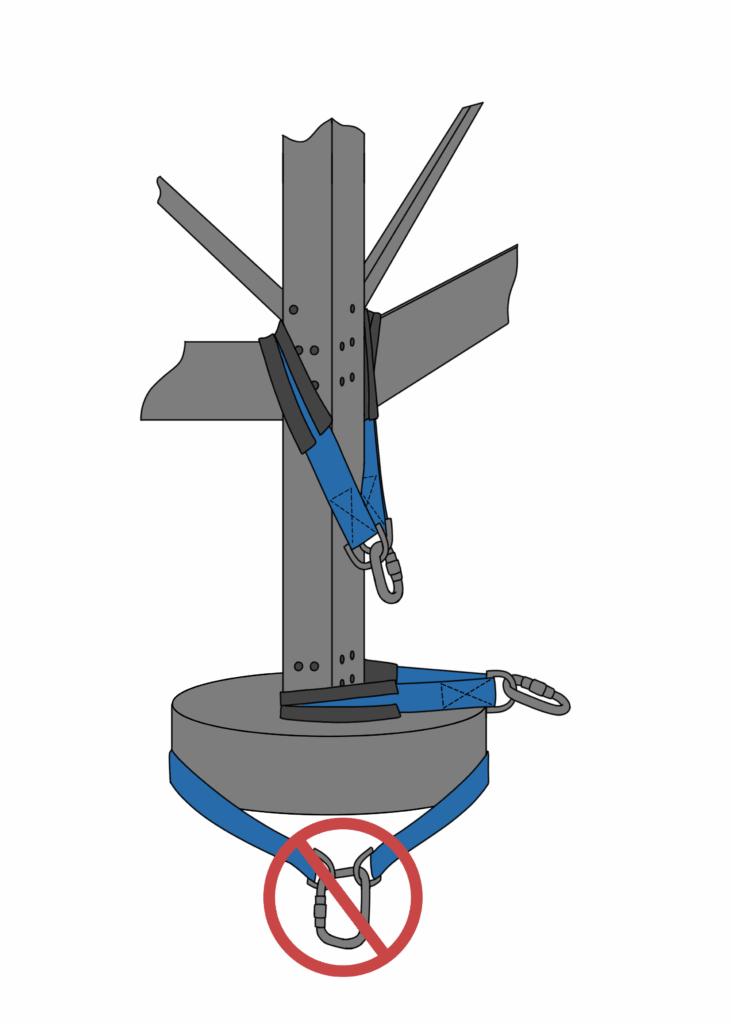
Using Structural Anchors in Rope Rescue

In wilderness rescues, trees and boulders often provide natural anchors. But in urban, industrial, or confined space environments, rescuers must rely on using structural anchors in rope rescue—beams, columns, and engineered fixtures built into man-made environments. These anchors, when paired with pre-sewn anchor straps, create strong and efficient attachment points for rescue systems. Structural anchors

Using Structural Anchors in Rope Rescue Read More »

picket anchor system

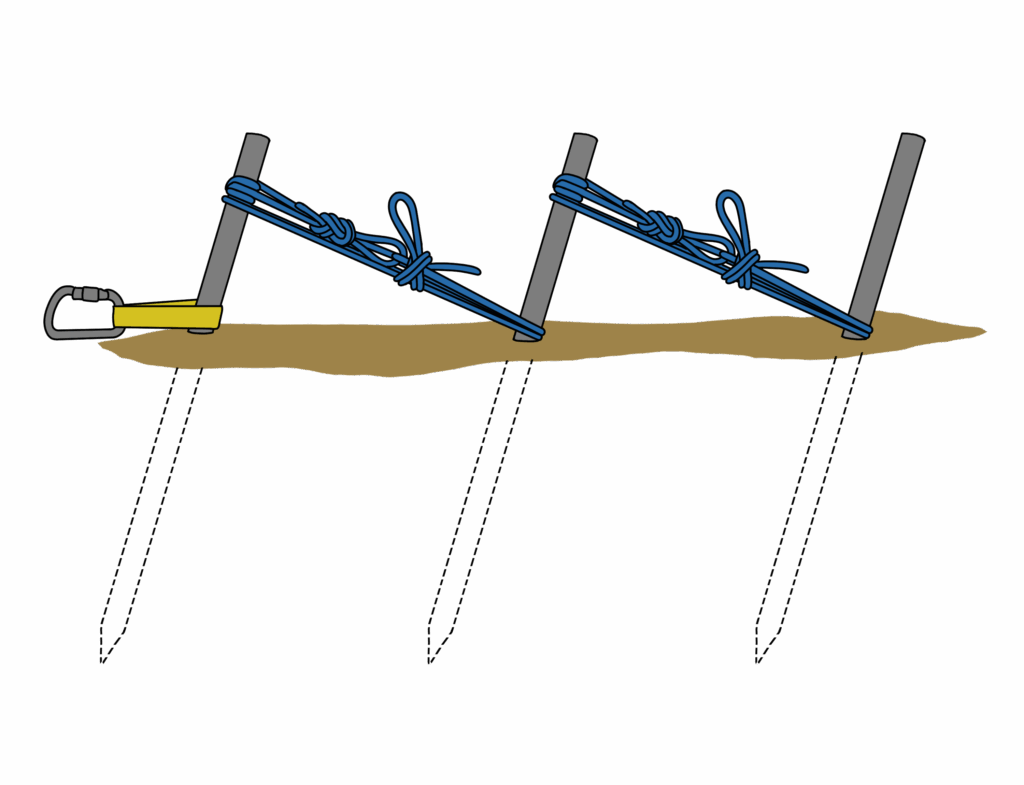
Picket Anchor System

In rope rescue, not every environment offers solid natural anchors such as trees or boulders. In open terrain like soil, sand, or snow, rescuers must create their own secure anchor system. The picket anchor system is a proven solution, using steel stakes driven into the ground to create reliable attachment points for rescue loads. When

Picket Anchor System Read More »

bombproof focused anchor system short

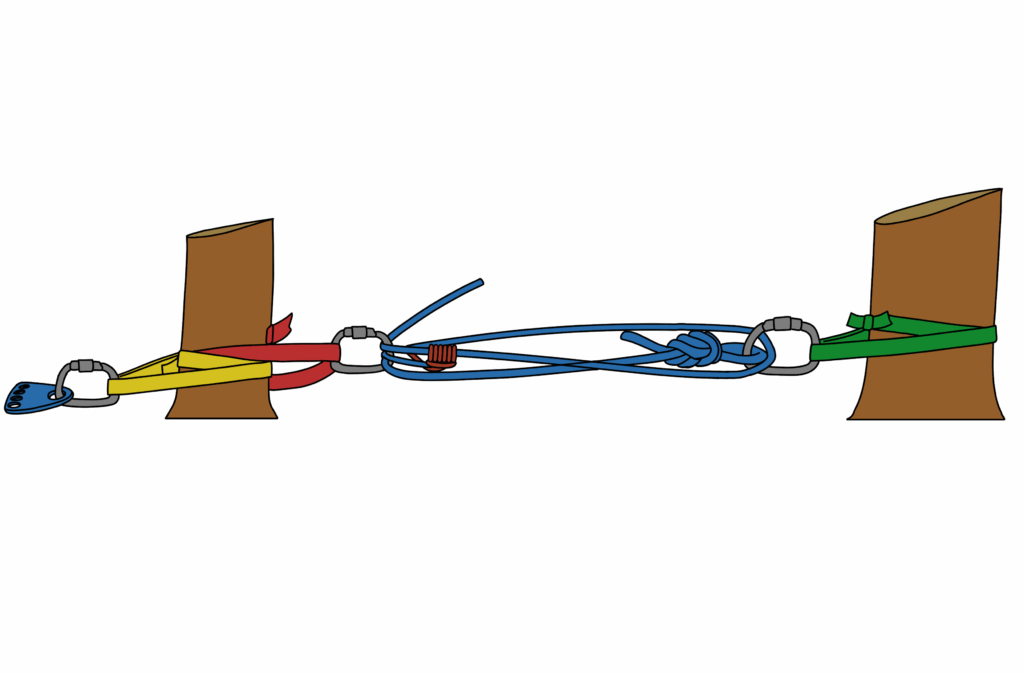
Bombproof Focused Anchor System

Every rope rescue begins and ends with anchors. Without a secure foundation, even the most advanced mechanical advantage systems or high-directional setups are compromised. When substantial natural anchors are absent at the fall line, rescuers must create reliable alternatives that provide stability, redundancy, and adaptability. One of the most versatile solutions is the Bombproof Focused

Bombproof Focused Anchor System Read More »

back-tie Anchors and Anchor Systems

Anchors and Anchor Systems are The Foundation of Every Safe Rig

What is the single most critical component of any rescue or rigging system? The answer is simple: the anchor. It is the silent hero, the unyielding foundation that bears the weight of every operation. Yet, a lack of understanding or a single mistake in its setup can turn a meticulously planned rescue into a catastrophic

Anchors and Anchor Systems are The Foundation of Every Safe Rig Read More »

highline anchors

Highline Systems Anchors Safety Operations and Tensioning

Highline systems are among the most advanced rope rescue tools. They allow teams to move patients or gear across terrain that would otherwise be impassable — spanning rivers, cliffs, gorges, collapsed structures, or even urban voids. When done correctly, highlines are efficient and controlled. When done poorly, they can overload anchors, increase risk, and endanger

Highline Systems Anchors Safety Operations and Tensioning Read More »

dynamic offset

When to Choose an Offset Instead of a Highline in Rope Rescue

When to Choose an Offset Instead of a Highline in Rope Rescue – One of the most common choices in rope rescue is deciding between a highline and an offset system. Both can move a patient or load across complex terrain, but they solve the problem in very different ways. A highline acts like a

When to Choose an Offset Instead of a Highline in Rope Rescue Read More »

horizontal rigging shock loading

Dynamic Forces and Shock Loading in Horizontal Track Systems

Dynamic Forces and Shock Loading in Horizontal Track Systems In rope rescue, most failures come from what wasn’t seen, not what wasn’t built. A system can be geometrically perfect, the anchors flawless, and the tension within the limits of every catalog rating—until motion enters the picture. Once a load begins to move, the numbers change.Ropes

Dynamic Forces and Shock Loading in Horizontal Track Systems Read More »

mainline belay line

Mainline and Belay Operations in Horizontal Track Systems

Mainline and Belay Operations in Horizontal Track Systems In rope rescue, tensioned track systems are among the most complex setups a team can face. Moving a litter horizontally across a canyon, river, or urban void requires precise control of forces, anchors, and redundancy. The difference between success and disaster is often in the management of

Mainline and Belay Operations in Horizontal Track Systems Read More »

two tension rope systems

Twin Tension Systems in Horizontal Tracks for Rope Rescue

Twin Tension Systems in Horizontal Tracks for Rope Rescue When a litter is moved across a horizontal track line, rescuers are managing one of the most demanding rigging challenges in rope rescue. Forces on anchors are amplified by sag angle, span length, and live load movement. Traditional single-line tracks rely on one rope for the

Twin Tension Systems in Horizontal Tracks for Rope Rescue Read More »

Ideal Sag in Tensioned Track Systems for Rope Rescue

Ideal Sag in Tensioned Track Systems for Rope Rescue

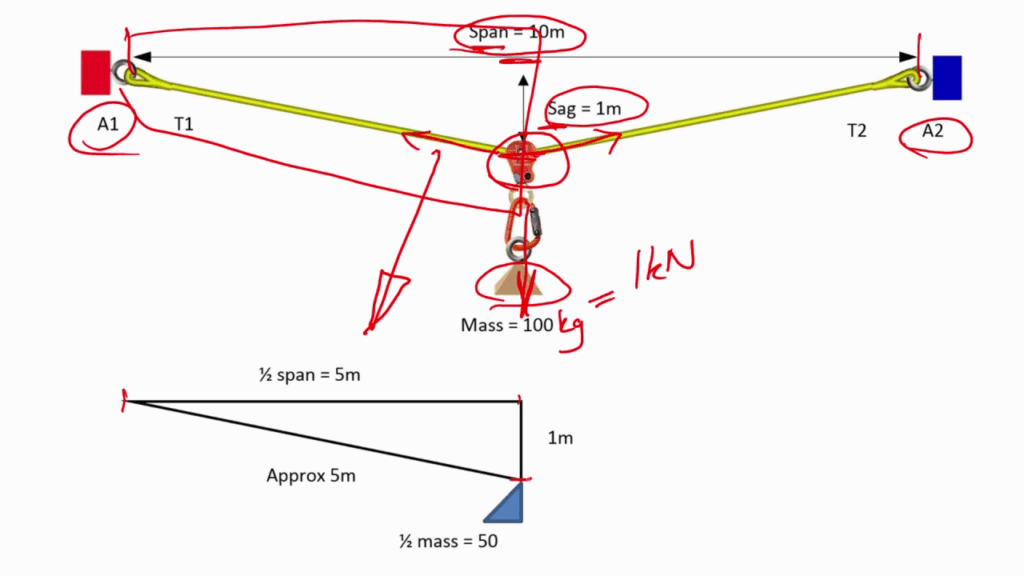
Why Sag Is the Silent Killer Ideal sag in tensioned track system for rope rescue is not an easy thing to figure out.  If you’ve ever stood under a loaded tensioned track line, you know the truth: it’s not the rope that fails first, it’s the anchors. They groan, creak, and sometimes shift under loads

Ideal Sag in Tensioned Track Systems for Rope Rescue Read More »

Mechanical Advantage Choices for Twin Tension Rope Systems

Mechanical Advantage Choices for Twin Tension Rope Systems

Mechanical Advantage Choices for Twin Tension Rope Systems Twin tension rope systems (TTRS) have changed the way modern rescue teams operate. Instead of one mainline and one belay, both ropes share the load equally, providing redundancy, balance, and smooth control. But while the setup looks clean, the question comes quickly in the field — what

Mechanical Advantage Choices for Twin Tension Rope Systems Read More »

Integrating Mechanical Advantage into Cross Haul Systems

Mechanical Advantage in Cross Haul Systems for Rescue

Integrating Mechanical Advantage into Cross Haul Systems Cross-haul systems are one of the most versatile tools in the rescuer’s rigging arsenal. By using two opposing haul lines, teams can precisely move a load horizontally or diagonally, making cross-hauls ideal for guiding victims across rivers, canyons, industrial voids, or unstable terrain. But as loads increase or

Mechanical Advantage in Cross Haul Systems for Rescue Read More »