rope rescue

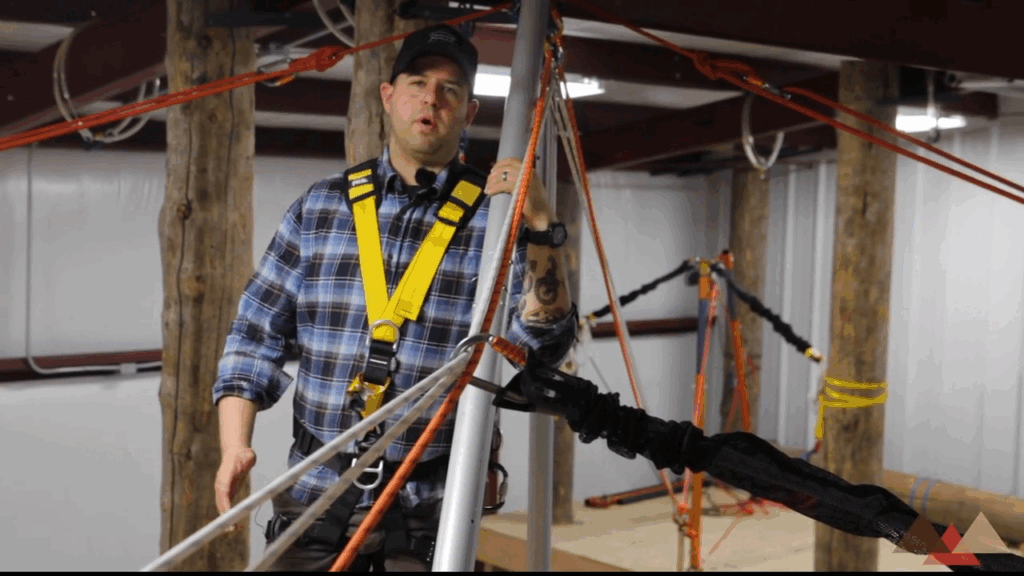
skate block highline

Skate Block Highline with Gin Pole Directional in Rope Rescue

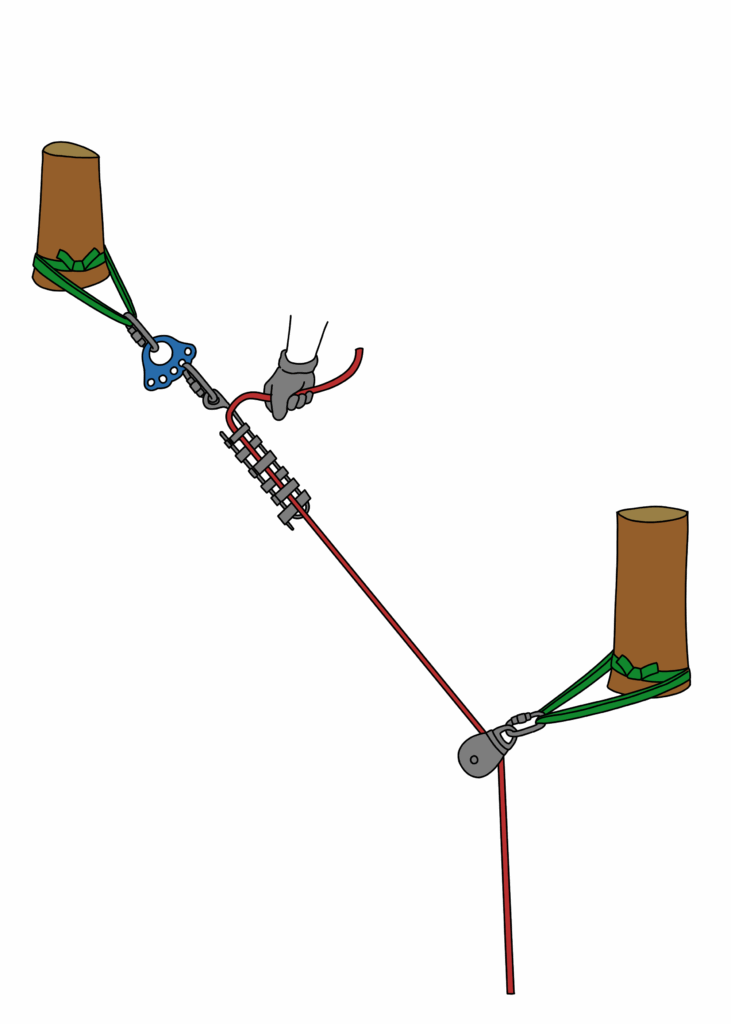
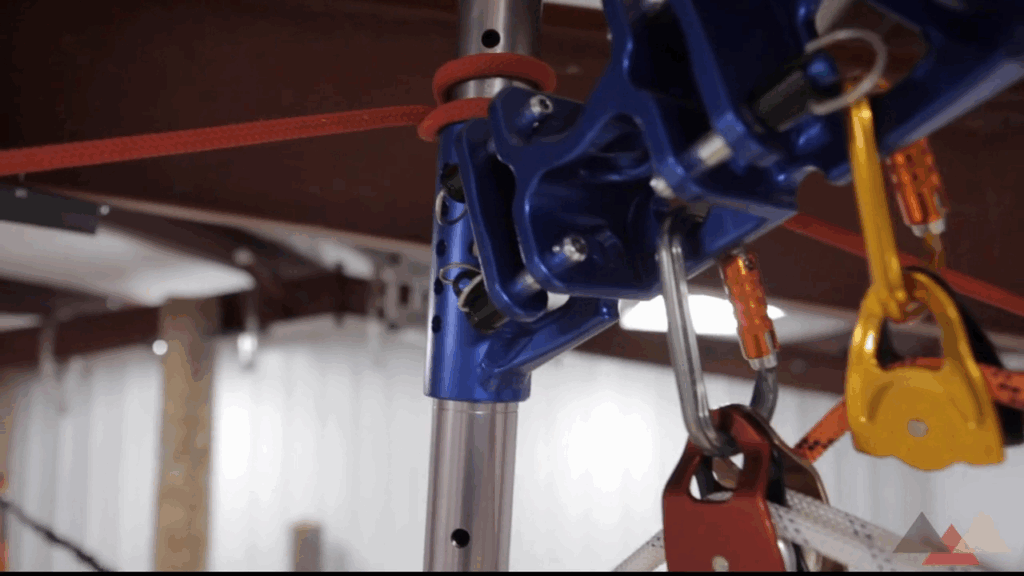
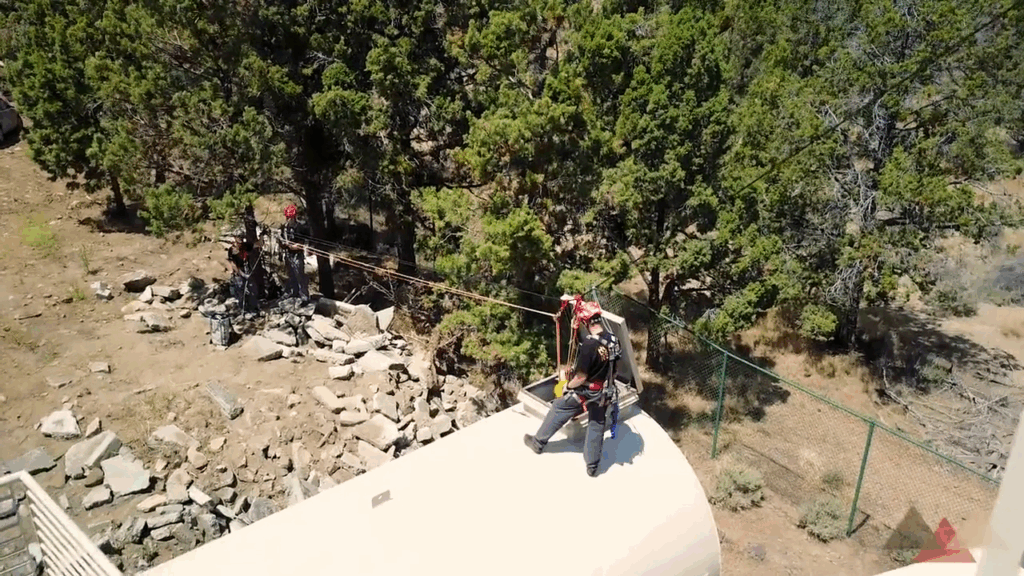
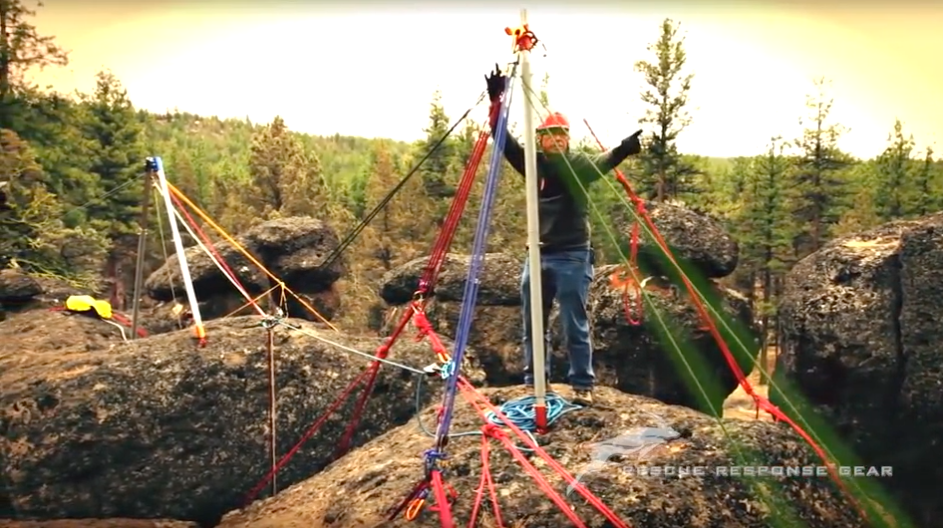
Skate Block Highline with Gin Pole Directional in Rope Rescue – How a highline configured as a skate block with a monopod directional improves efficiency, control, and safety in complex terrain. Highlines are a cornerstone of modern rope rescue, allowing teams to move loads across obstacles such as rivers, canyons, cliffs, or collapsed structures. Traditionally, […]

Skate Block Highline with Gin Pole Directional in Rope Rescue Read More ยป

structural anchors

Using Structural Anchors in Rope Rescue

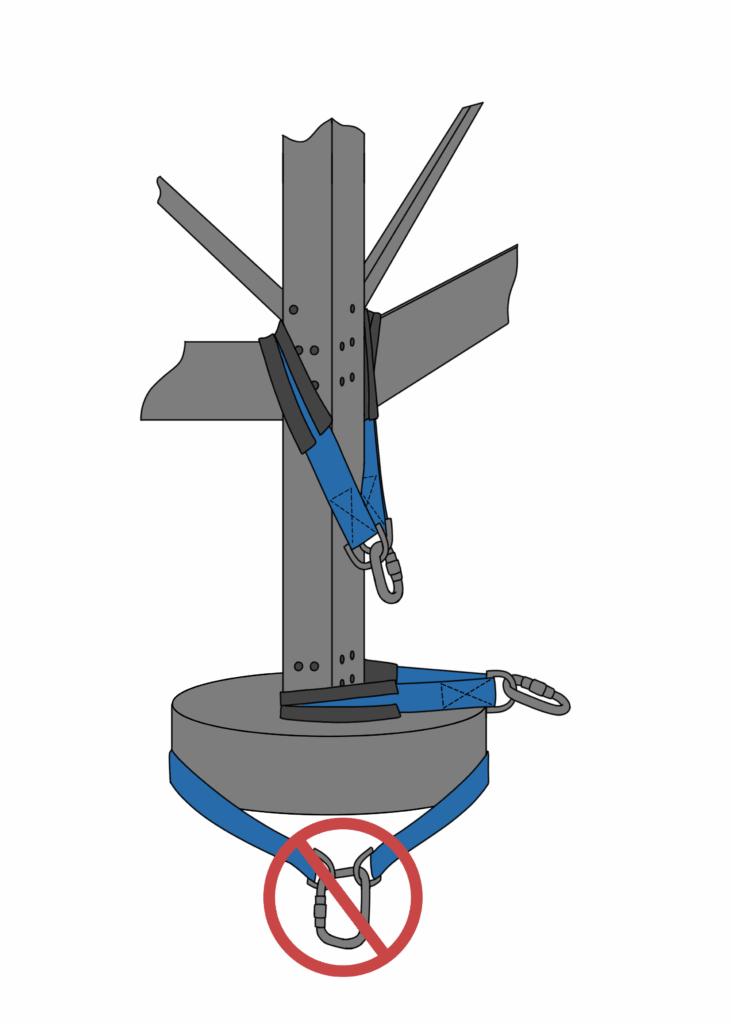
In wilderness rescues, trees and boulders often provide natural anchors. But in urban, industrial, or confined space environments, rescuers must rely on using structural anchors in rope rescueโ€”beams, columns, and engineered fixtures built into man-made environments. These anchors, when paired with pre-sewn anchor straps, create strong and efficient attachment points for rescue systems. Structural anchors

Using Structural Anchors in Rope Rescue Read More ยป

Directional Anchor

Understanding Directional Anchors in Rope Rescue

Anchors form the backbone of every rope rescue system, but they arenโ€™t always where you want them. Sometimes the strongest anchor sits away from the natural fall line, creating an awkward rope path or edge transition. In these cases, understandingย directional anchors in rope rescueย provides a safe way to redirect the rope into alignment with the

Understanding Directional Anchors in Rope Rescue Read More ยป

bombproof focused anchor system short

Bombproof Focused Anchor System

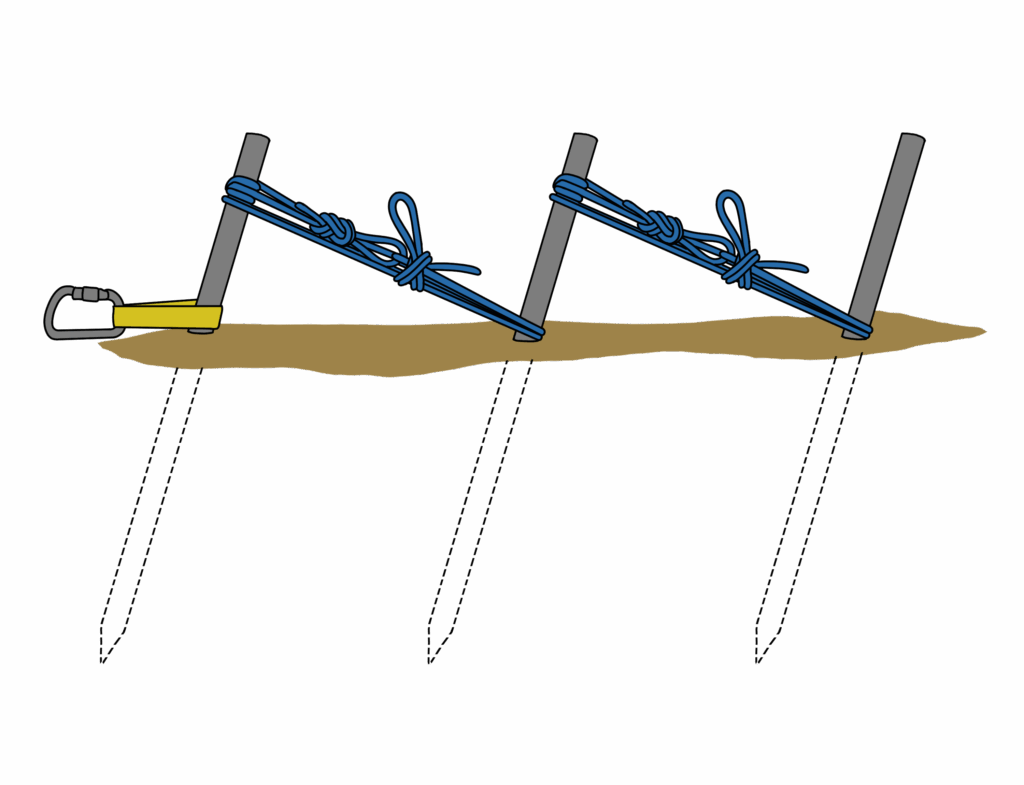
Every rope rescue begins and ends with anchors. Without a secure foundation, even the most advanced mechanical advantage systems or high-directional setups are compromised. When substantial natural anchors are absent at the fall line, rescuers must create reliable alternatives that provide stability, redundancy, and adaptability. One of the most versatile solutions is the Bombproof Focused

Bombproof Focused Anchor System Read More ยป

back-tie Anchors and Anchor Systems

Anchors and Anchor Systems are The Foundation of Every Safe Rig

What is the single most critical component of any rescue or rigging system? The answer is simple: the anchor. It is the silent hero, the unyielding foundation that bears the weight of every operation. Yet, a lack of understanding or a single mistake in its setup can turn a meticulously planned rescue into a catastrophic

Anchors and Anchor Systems are The Foundation of Every Safe Rig Read More ยป

dynamic offset

When to Choose an Offset Instead of a Highline in Rope Rescue

When to Choose an Offset Instead of a Highline in Rope Rescue – One of the most common choices in rope rescue is deciding between a highline and an offset system. Both can move a patient or load across complex terrain, but they solve the problem in very different ways. A highline acts like a

When to Choose an Offset Instead of a Highline in Rope Rescue Read More ยป

mainline belay line

Mainline and Belay Operations in Horizontal Track Systems

Mainline and Belay Operations in Horizontal Track Systems In rope rescue, tensioned track systems are among the most complex setups a team can face. Moving a litter horizontally across a canyon, river, or urban void requires precise control of forces, anchors, and redundancy. The difference between success and disaster is often in the management of

Mainline and Belay Operations in Horizontal Track Systems Read More ยป

two tension rope systems

Twin Tension Systems in Horizontal Tracks for Rope Rescue

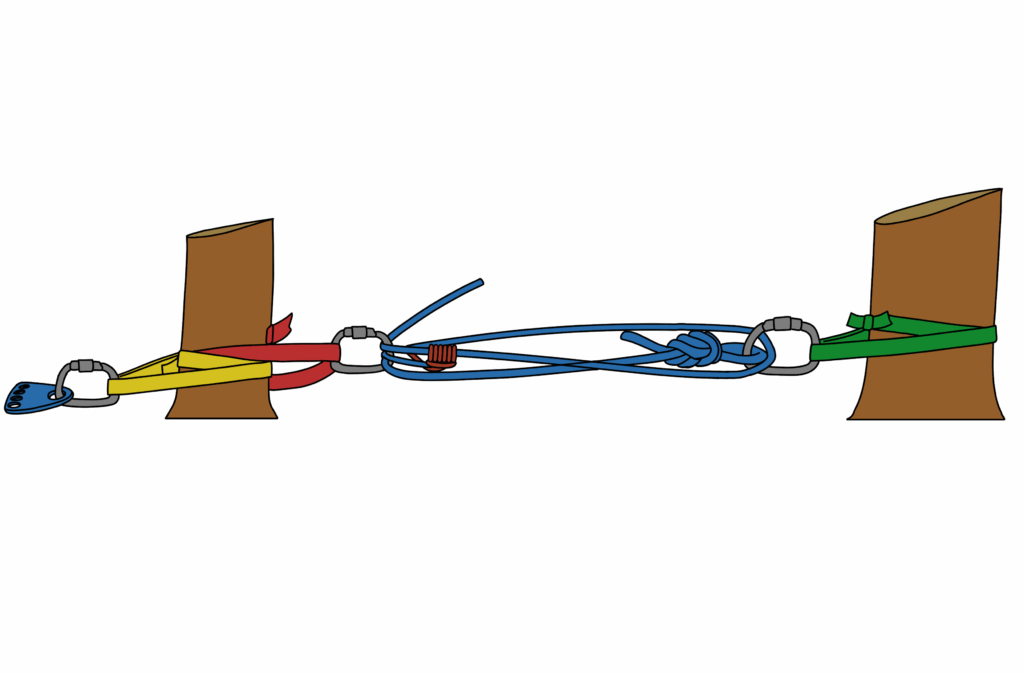
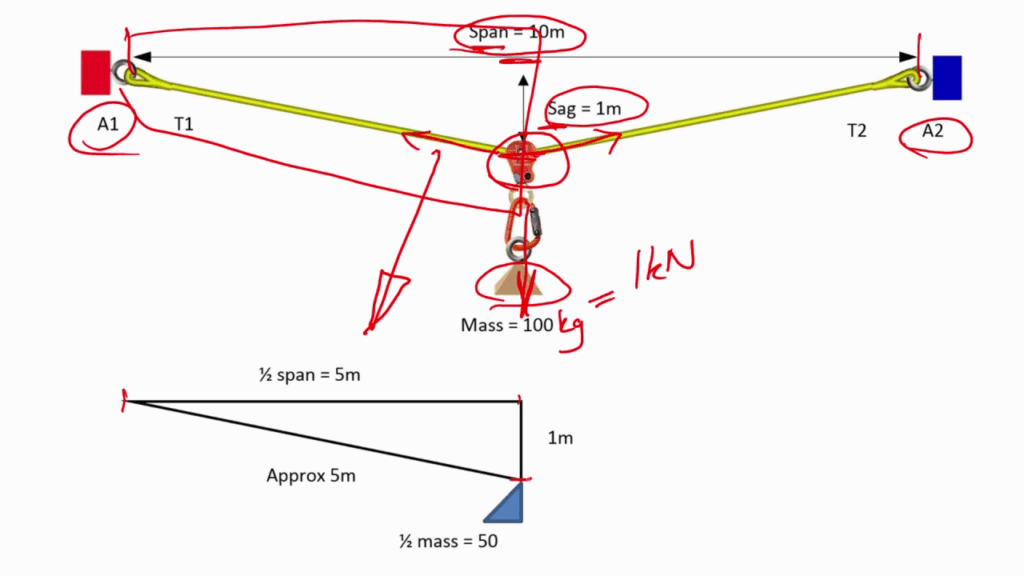
Twin Tension Systems in Horizontal Tracks for Rope Rescue When a litter is moved across a horizontal track line, rescuers are managing one of the most demanding rigging challenges in rope rescue. Forces on anchors are amplified by sag angle, span length, and live load movement. Traditional single-line tracks rely on one rope for the

Twin Tension Systems in Horizontal Tracks for Rope Rescue Read More ยป

Ideal Sag in Tensioned Track Systems for Rope Rescue

Ideal Sag in Tensioned Track Systems for Rope Rescue

Why Sag Is the Silent Killer Ideal sag in tensioned track system for rope rescue is not an easy thing to figure out.ย  If youโ€™ve ever stood under a loaded tensioned track line, you know the truth: itโ€™s not the rope that fails first, itโ€™s the anchors. They groan, creak, and sometimes shift under loads

Ideal Sag in Tensioned Track Systems for Rope Rescue Read More ยป

Building the Minimal Mechanical Advantage Kit

Building a Minimal Mechanical Advantage Kit with the 20โ€“80 Rule

The 20โ€“80 Rule in Action: Building the Minimal Mechanical Advantage Kit In rope rescue, complexity can be your enemy. Too many devices, too much gear, and too many choices under stress can slow a team down and increase risk. Thatโ€™s where the 20โ€“80 Rule comes in: with about 20% of the gear, you can accomplish

Building a Minimal Mechanical Advantage Kit with the 20โ€“80 Rule Read More ยป

Rope Rescue Math and Aerial Ladder Torque Management

Rope Rescue Math and Aerial Ladder Torque Management

Rope Rescue Math and Aerial Ladder Torque Management In rope rescue, a high-directional such as an aerial ladder can be an invaluable elevated anchorโ€”if itโ€™s rigged correctly. The forces at play are not intuitive, and relying on firefighting ratings or guesswork can lead to dangerously overloaded systems.This guide explains the math behind high-directional loading, how

Rope Rescue Math and Aerial Ladder Torque Management Read More ยป

Rope Rescue Math โ€“ Understanding High-Directional Forces

Rope Rescue Math Guide to High Directional Forces

Rope Rescue Math โ€“ Understanding High-Directional Forces In rope rescue, knowing the numbers can be the difference between a safe system and one thatโ€™s on the edge of failure. When working with high-directionalsโ€”such as aerial ladders, tripods, or A-framesโ€”forces donโ€™t just act straight down; they spread out along multiple paths. The diagrams youโ€™ve seen are

Rope Rescue Math Guide to High Directional Forces Read More ยป

REMS kit

Building a REMS Kit That Works in the Real World

Building a REMS Kit That Works in the Real World When youโ€™re assembling a Rapid Extraction Module Support (REMS) team for wildland fire or remote rescue operations, you need more than just commitment. You need the right kitโ€”every time, no excuses. The NWCG PMS 552 (National Wildfire Coordinating Group Publication Management System document #552) is

Building a REMS Kit That Works in the Real World Read More ยป

rems fire litter

Inside a REMS Team Roles and Typing Under ICS 162-4

When every second counts on the wildland fireline, Rapid Extraction Module Support (REMS) teams deliver specialized rescue capability. Guided by ICS 162-4, the national standard for REMS team roles and typing, these units are pre-trained, pre-equipped, and ready to integrate directly into incident command. This standardization ensures a REMS team can respond quickly, operate safely,

Inside a REMS Team Roles and Typing Under ICS 162-4 Read More ยป